
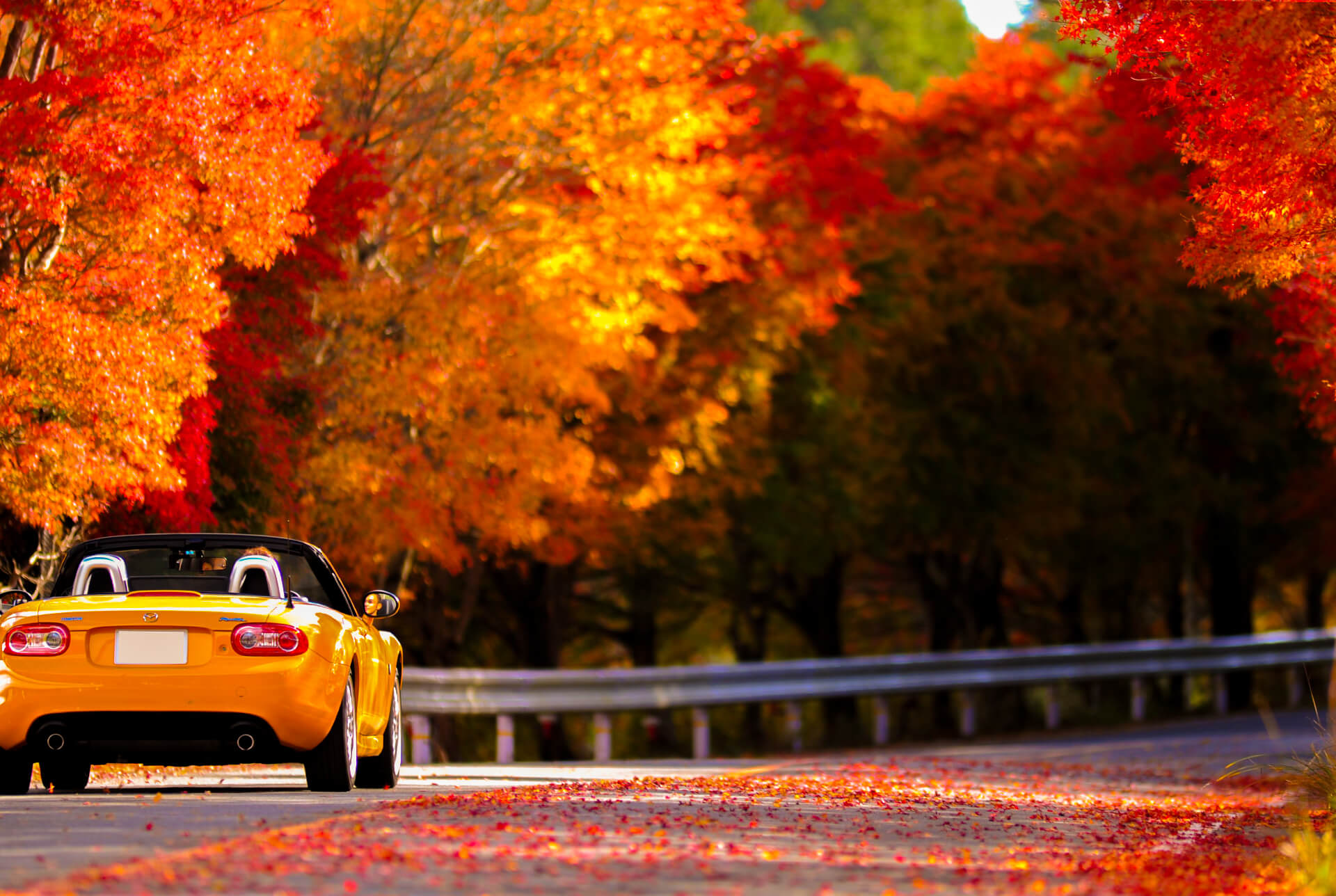
Kyoto is Japan’s ancient capital, famous for its temples, shrines, and traditional streets—but it’s also a fantastic base for scenic drives. Beyond the crowded city center, a short drive takes you to bamboo forests, mountain shrines, and quiet lakeside roads that most tourists never see. In this article, we introduce 5 of the best drive spots around Kyoto, plus a private car tour option if you’d rather leave the driving to a local guide.
Arashiyama Bamboo Grove & Togetsukyo Bridge
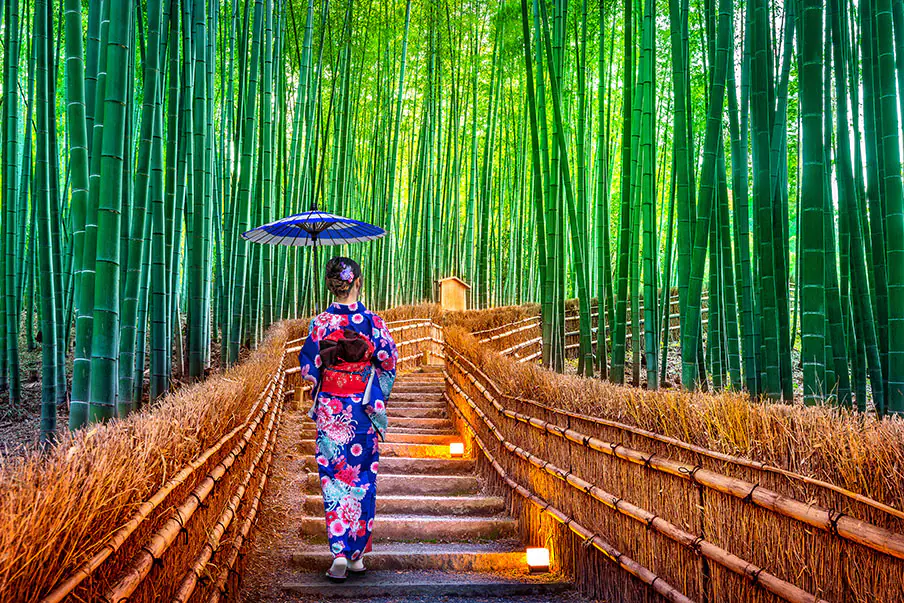
Arashiyama, on the western edge of Kyoto, is one of the most photographed spots in Japan. The Bamboo Grove path is famous, but arriving early by car—before the tour buses—lets you experience the towering green stalks in near silence. Nearby, Togetsukyo Bridge offers a classic view of the Katsura River backed by forested mountains, especially stunning during cherry blossom season and autumn foliage.
Parking is available at several coin-operated lots near Randen Arashiyama Station, though spaces fill up quickly on weekends, so arriving before 8am is recommended.
Access
Fushimi Inari-taisha & the Senbon Torii
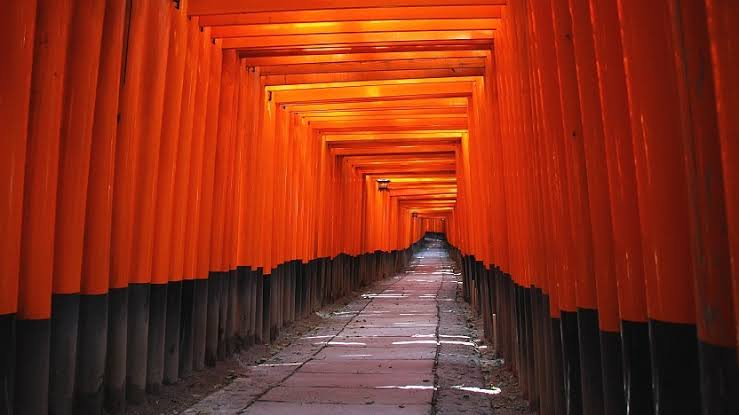
Fushimi Inari-taisha is famous worldwide for its thousands of vermillion torii gates climbing up Mount Inari. While the shrine itself is best explored on foot, driving there via the quiet backroads south of Kyoto Station is a scenic route in its own right, passing rice fields and small local shrines rarely seen by tourists sticking to trains. A paid parking lot is available near the shrine’s main approach, though it’s small—arriving early or late afternoon avoids the worst congestion.
Access
Kifune & Kurama – Mountain Shrine Road
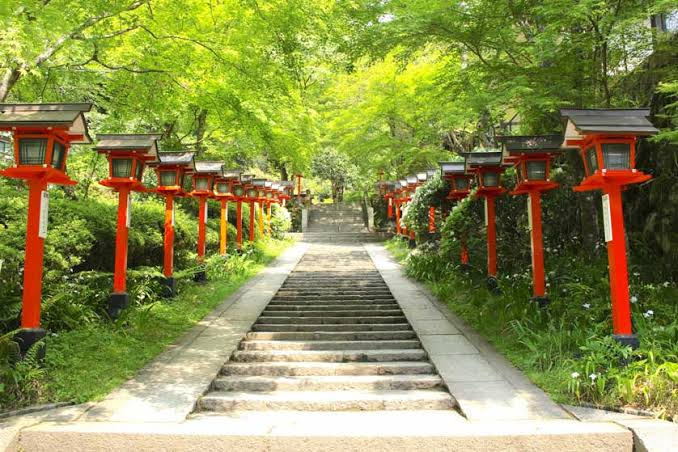
North of the city, the road up to Kifune Shrine and Kurama-dera winds through a narrow, forested valley alongside the Kifune River. In summer, riverside dining platforms (kawadoko) make this one of the coolest places to visit in Kyoto, while in autumn the maple canopy overhead turns the entire drive into a tunnel of red and gold. The road is narrow in places, so a compact rental car is recommended over a large SUV.
Access
Lake Biwa Scenic Drive (Otsu side)
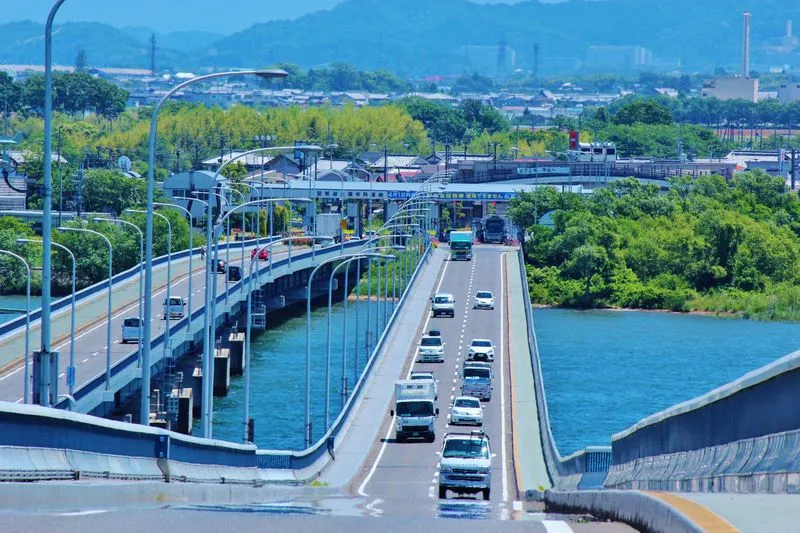
Just a 20–30 minute drive east of central Kyoto over the mountains, Lake Biwa is Japan’s largest lake and offers a completely different scenery from the temple-packed city—wide open water, sailboats, and lakeside cafés. The Otsu shoreline road makes for a relaxing detour, especially at sunset when the water turns gold. This is a great half-day add-on if you’re touring Kyoto over a weekend. FYI, You can also walk on Biwako Bridge!!
Access
Ohara – Rural Temple Villages
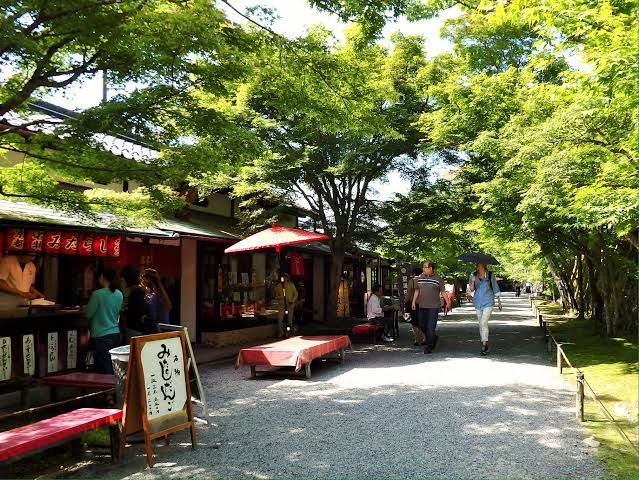
Ohara, tucked in the mountains north of Kyoto, feels like stepping back a century. The drive itself—narrow roads through rice paddies and thatched-roof farmhouses—is as much the attraction as the temples of Sanzen-in and Jakko-in at the end of it. This is a favorite among locals looking to escape the city crowds without traveling far.
Access
Want a Guided Drive Instead? (GetYourGuide Tour)
If you’d rather skip the rental car paperwork entirely, a genuine door-to-door option is the Kyoto & Nara Private Tour with English-Speaking Driver-Guide. Unlike a walking-based private tour, this one includes an air-conditioned private vehicle with the driver-guide handling everything—fuel, highway tolls, and parking are all built into the price.
The 9–10 hour route starts and ends in Nara, looping through Kyoto’s Arashiyama Bamboo Grove, Kinkaku-ji, Fushimi Inari Taisha, Gion, Nishiki Market, and Kiyomizu-dera before continuing to Nara Park and Todai-ji—effectively combining two of the spots covered in this guide (Arashiyama and Fushimi Inari) with a full day in neighboring Nara. Priced from around ¥58,499 for up to three travelers, it’s a practical option for a group wanting to cover a lot of ground in one day without touching a rental car. Note that this is a newly listed tour, so it doesn’t have traveler reviews yet—worth checking availability and the latest details before booking.
Summary
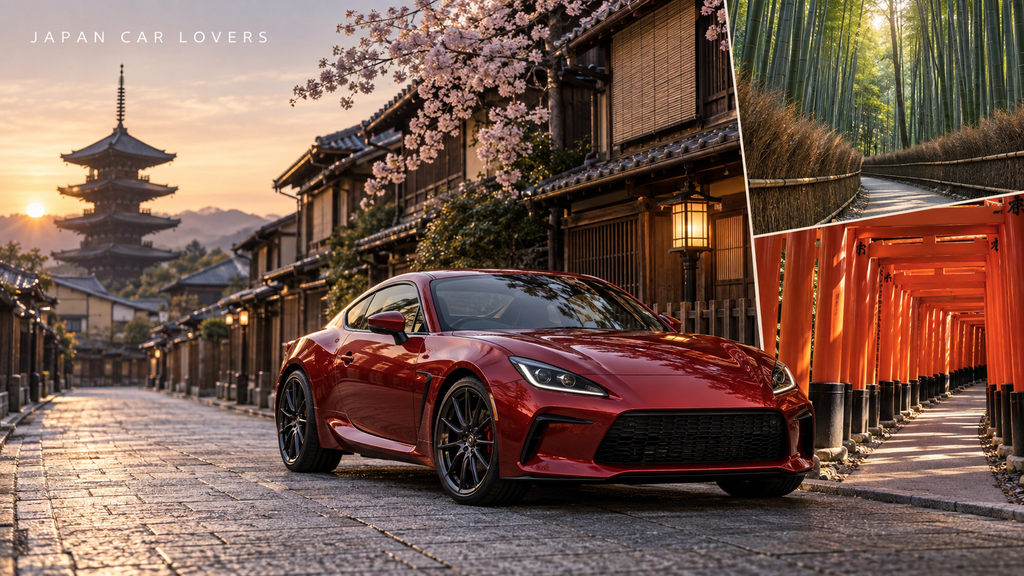
Kyoto’s drives range from the bamboo-lined paths of Arashiyama to the mountain shrine roads of Kifune and the open water of Lake Biwa—each offering a side of Kyoto that’s easy to miss if you stick to trains and buses. Whether you rent a car yourself or join a guided private tour, spring and autumn are the best seasons to catch the region’s famous foliage in full color.
If you’re continuing your road trip beyond Kyoto, Osaka is just a short drive away and pairs perfectly with a Kyoto itinerary.


Comment Comment